

Don’t Wait Until It Breaks Down — Schedule Your AC Unit Checkup Today
Most homeowners only think about their air conditioner when it stops working — and by then, it’s usually the hottest week of the year and repair technicians are booked solid. A proactive AC unit checkup is the smartest move you can make before the heat sets in. Like a yearly physical with your doctor, a routine inspection catches small problems before they become expensive emergencies. If it’s been more than 12 months since your system was serviced, it’s time.
Why an AC Unit Checkup Matters More Than You Think
Your air conditioner works incredibly hard, especially in warm, humid climates where it may run nearly year-round. Over time, components wear down, coils collect grime, refrigerant levels shift, and electrical connections loosen. None of this happens overnight — but all of it adds up to reduced efficiency, higher energy bills, and eventually, a system failure at the worst possible moment.
A scheduled AC unit checkup helps you avoid all of that by giving a licensed technician the opportunity to spot wear and tear early, clean critical components, and verify that your system is operating within proper parameters. The result is a unit that runs more efficiently, lasts longer, and costs less to operate month after month.
The Financial Case for Regular Maintenance
Many homeowners skip annual checkups to save money — but that math rarely works out. An unchecked system that develops a refrigerant leak, a failed capacitor, or a dirty condenser coil can cost hundreds to thousands of dollars in repairs or even full unit replacement. A routine maintenance visit, by contrast, is a fraction of that cost and dramatically reduces the risk of major breakdowns. Energy savings alone often offset the cost of the service call, since a clean, well-tuned system consumes significantly less electricity than a neglected one.
What Happens During a Professional AC Unit Checkup
A thorough AC unit checkup covers both the indoor and outdoor components of your system. A qualified HVAC technician will methodically work through a comprehensive inspection checklist that typically includes the following:
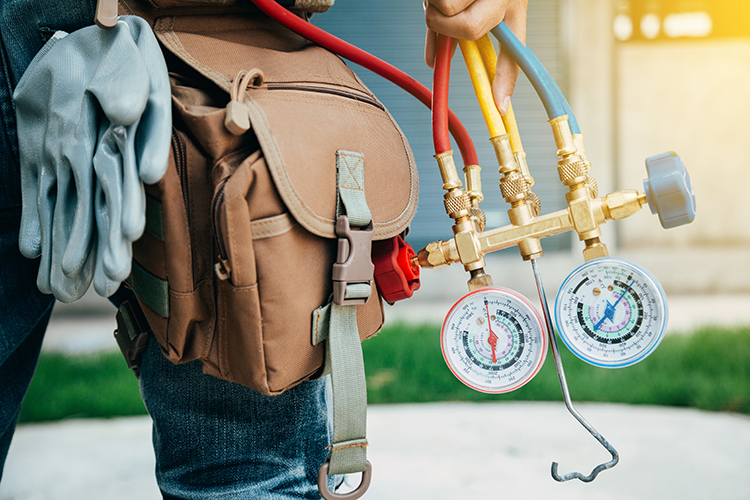
- Refrigerant level check: Low refrigerant is often a sign of a leak. Technicians verify levels and inspect for the source of any loss before recharging the system.
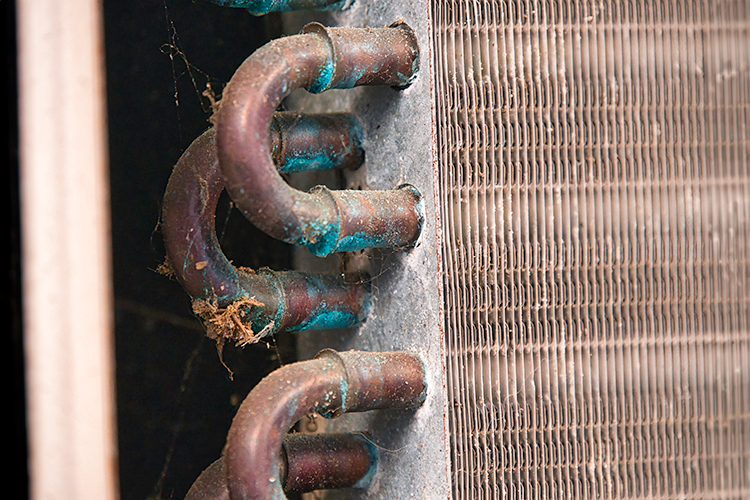
- Coil cleaning (evaporator and condenser): Dirty coils are one of the most common causes of reduced cooling efficiency. Cleaning them restores proper heat transfer and improves performance.
- Electrical connections and components: Loose wiring, failing capacitors, and worn contactors are identified and addressed before they cause a full system shutdown.
- Thermostat calibration: An inaccurate thermostat forces your system to work harder than necessary. Technicians verify it reads and responds correctly to temperature settings.
- Drain line inspection: A clogged condensate drain can cause water damage and mold growth. Clearing and flushing the line is a standard part of any quality checkup.
- Air filter assessment: Filters trap dust and debris that would otherwise accumulate on coils and reduce airflow. Technicians check the condition and recommend replacement if overdue.
- Blower motor and fan inspection: The blower assembly is examined for debris, balance, and proper operation to ensure consistent airflow throughout your home.
At the end of the visit, a good technician will walk you through their findings, answer any questions you have, and provide a written summary of the work performed and any recommendations for follow-up.
Warning Signs That Your AC Needs Attention Right Now
While an annual AC unit checkup is the goal, some situations call for more immediate attention. Don’t ignore the following red flags:
- Unusual sounds — banging, hissing, buzzing, or clanking are all signs that something inside the unit may be loose, damaged, or failing.
- Warm or weak airflow — if your system is running but not cooling effectively, you may have a refrigerant issue, a dirty coil, or a blower problem.
- Skyrocketing energy bills — a sudden increase in your electric bill without a change in usage habits often means your system is working harder than it should.
- Moisture or water pooling near the unit — this can indicate a blocked drain line or, in more serious cases, a refrigerant leak.
- Uneven cooling throughout the home — some rooms noticeably hotter than others often points to airflow restrictions or duct issues.
- Frequent on-and-off cycling — short cycling is a symptom of a system struggling to maintain temperature and can accelerate wear on the compressor.
If you notice any of these signs, don’t wait for your next scheduled checkup — call a professional right away.
How Often Should You Schedule an AC Unit Checkup?
For most homeowners, once a year is the recommended minimum. However, if you live in a climate where your air conditioner runs for the majority of the year — as is the case in South Florida — twice-yearly checkups are often advisable. Spring is the most popular time to schedule service, getting ahead of the heavy cooling season. A fall checkup, timed around the transition to cooler weather, gives technicians the opportunity to address any wear accumulated over the summer and prepare the system for the off-season.
Older units in particular benefit from more frequent attention. A system that’s 8 to 10 years old or more is entering the phase of its life where components are most likely to fail, and staying ahead of that wear is the most cost-effective way to extend its useful life.
Can You Do Any Maintenance Yourself?
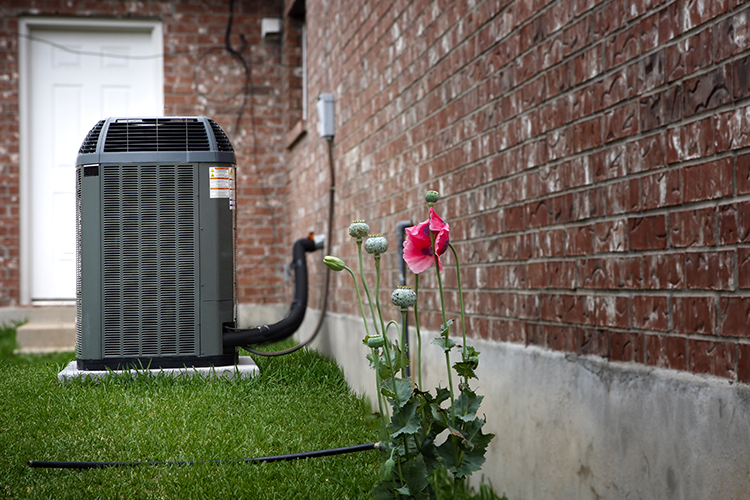
Yes — there are a handful of simple tasks homeowners can handle between professional visits. Changing or cleaning your air filter every one to three months is the single most impactful thing you can do on your own. You can also keep the outdoor unit clear of debris like leaves, grass clippings, and dirt by periodically hosing down the exterior fins and trimming back any vegetation within two feet of the unit. These steps help, but they are not a substitute for a professional inspection. Electrical components, refrigerant handling, coil cleaning, and safety testing all require trained hands and specialized tools.
Trust Impressive Air for Your AC Unit Checkup
When it comes to keeping your home cool and your system running at its best, Impressive Air is the trusted name homeowners rely on for expert HVAC service. Their team of licensed, experienced technicians performs comprehensive AC unit checkups that go well beyond a surface-level glance — covering every critical component of your system with the attention to detail it deserves.
Impressive Air understands that your air conditioner isn’t just an appliance — it’s the foundation of your home’s comfort, especially through long, demanding cooling seasons. That’s why they approach every checkup with thoroughness, transparency, and professionalism. They’ll explain exactly what they find, give you honest recommendations, and never push unnecessary repairs. Whether you’re scheduling your annual tune-up, responding to a warning sign, or preparing a home for the peak summer months, Impressive Air has the expertise and the equipment to get the job done right.
Don’t wait for a breakdown to find out your system needed attention. Contact Impressive Air today to schedule your AC unit checkup and give your system the care it needs to keep your home comfortable all season long.
Frequently Asked Questions About AC Unit Checkups
What does a typical AC unit checkup include?
A professional AC unit checkup generally covers an inspection of both indoor and outdoor components, including coil cleaning, refrigerant level verification, electrical connection testing, thermostat calibration, drain line clearing, air filter assessment, and a full system performance test. The technician will provide a summary of findings and any recommended next steps before leaving.
How much does an AC unit checkup usually cost?
The cost of a standard AC checkup typically ranges from $75 to $200 depending on your location, the size of your system, and the scope of the service. More comprehensive maintenance plans that cover both heating and cooling systems can run higher. Investing in a routine checkup is almost always less expensive than paying for emergency repairs caused by neglected maintenance.
How often should an air conditioner be serviced or inspected?
Most HVAC professionals recommend at least one AC unit checkup per year, ideally in the spring before peak cooling season begins. Homeowners in hot or humid climates, or those with older systems, may benefit from scheduling service twice a year — once in spring and once in fall — to stay ahead of wear and maintain optimal efficiency.
What are the signs that my AC unit needs a checkup sooner than scheduled?
Several warning signs suggest your AC needs attention outside of its regular maintenance window. These include strange sounds such as banging or hissing, reduced or warm airflow, a sudden increase in energy bills, water pooling near the unit, uneven cooling throughout the home, or short cycling where the system turns on and off more frequently than normal. Any of these symptoms should prompt a call to a qualified HVAC technician promptly.