

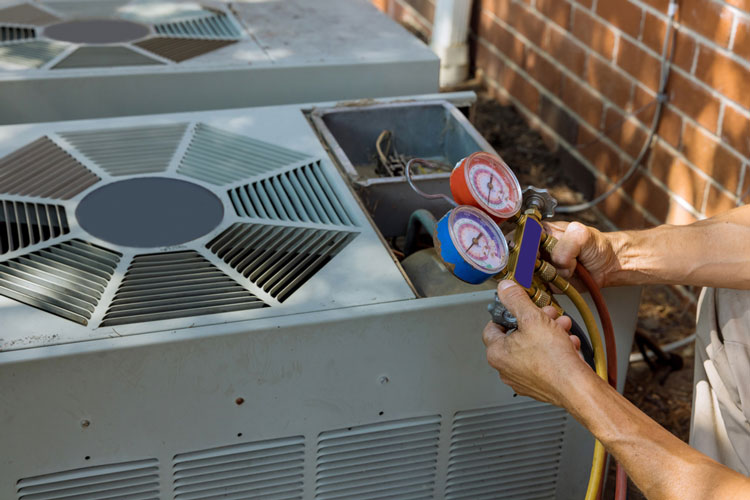
If your air conditioner has started making unusual noises, struggling to cool your home, or causing your energy bills to rise, you may be wondering whether it is better to repair the system or move forward with an AC Replacement. Homeowners often face this decision during the hottest months of the year when reliable cooling becomes essential for comfort and indoor air quality. Understanding the signs of a failing system can help you avoid repeated repair costs and prevent unexpected breakdowns.
Why AC Replacement Becomes Necessary Over Time
Every HVAC system has a lifespan. Even with routine maintenance, components wear down from constant use, especially in hot and humid climates. Most residential air conditioning systems last between 10 to 15 years depending on maintenance history, installation quality, and operating conditions.
When systems age, they often become less efficient and more expensive to maintain. In many cases, an AC Replacement provides better long-term savings compared to frequent repairs.
Homeowners considering a replacement should also evaluate the benefits of upgrading to newer energy-efficient systems. Modern units offer improved airflow, quieter operation, and better humidity control.
For homeowners interested in improving system performance, Impressive Air provides professional HVAC solutions designed to improve efficiency and comfort.
Signs Your Air Conditioner Should Be Repaired
Not every issue requires a complete replacement. Some problems can be fixed quickly and affordably if identified early. Minor repairs are often the right solution when the unit is still relatively new and the repair cost is manageable.
Minor Mechanical Problems
Components like capacitors, thermostats, contactors, and sensors commonly fail over time. These repairs are generally inexpensive and can restore proper operation quickly.
Weak Airflow Issues
Poor airflow may be caused by clogged filters, dirty coils, or duct obstructions. These issues can usually be repaired without replacing the entire system.
Short Cycling
If your AC turns on and off frequently, the issue may involve electrical controls or thermostat calibration rather than complete system failure.
- Repair is often best when the unit is under 10 years old
- Minor component failures typically do not justify replacement
- Systems with strong energy efficiency ratings may still have useful life remaining
- Routine maintenance problems can often be corrected affordably
When AC Replacement Is the Better Investment
There comes a point when continuing to repair an aging air conditioner no longer makes financial sense. Repeated service calls can quickly exceed the value of the unit itself.
Frequent Breakdowns
If your air conditioner requires multiple repairs every year, replacement is often the more cost-effective solution. Constant failures typically indicate broader wear throughout the system.
High Energy Bills
Older HVAC systems lose efficiency over time. A newer high-efficiency system can significantly reduce monthly utility costs and improve cooling performance.
Refrigerant Problems
Older units that use outdated refrigerants may become expensive to maintain due to refrigerant availability and environmental regulations. Replacing the system may eliminate these recurring costs.
Uneven Cooling Throughout the Home
If some rooms remain hot while others become too cold, your current system may no longer be capable of handling your home’s cooling demands effectively.
For homeowners dealing with inconsistent cooling and efficiency issues, professional air conditioning repair services can help determine whether repair or replacement is the best option.
The 50 Percent Rule for AC Replacement
Many HVAC professionals use the “50 percent rule” when evaluating whether a repair makes sense. If the repair cost approaches 50 percent of the value of a new system, replacement is usually the smarter financial decision.
For example, if a repair costs several thousand dollars on an aging unit already nearing the end of its lifespan, investing that money into a modern system often provides greater value.
New systems typically include manufacturer warranties, improved efficiency ratings, and reduced maintenance expenses.
Benefits of Installing a New Air Conditioning System
Choosing an AC Replacement can provide homeowners with several long-term benefits beyond simply restoring cool air.
Improved Energy Efficiency
Modern HVAC systems are designed to meet stricter energy standards. Higher SEER-rated systems consume less electricity while delivering stronger cooling performance.
Better Indoor Air Quality
New systems often include advanced filtration and humidity control features that improve indoor comfort and reduce airborne contaminants.
Reduced Repair Costs
A new unit minimizes the likelihood of frequent service calls and costly emergency repairs.
Quieter Operation
Older systems often become noisy due to worn motors and aging components. Newer systems operate much more quietly.
Homeowners looking to improve indoor comfort may also benefit from professional indoor air quality services that work alongside modern HVAC systems.
How Professional HVAC Inspections Help You Decide
A professional inspection can help determine whether your system still has dependable service life remaining. HVAC technicians evaluate several factors before recommending repairs or replacement.
These include:
- Age and condition of the equipment
- Energy efficiency performance
- Frequency of previous repairs
- Refrigerant type and availability
- Overall cooling capacity and airflow performance
An experienced technician can provide honest recommendations based on the actual condition of your system rather than temporary fixes.
Preventive Maintenance Can Delay AC Replacement
Routine maintenance is one of the best ways to maximize HVAC lifespan and reduce unexpected failures. Seasonal inspections help identify small problems before they become major repairs.
Maintenance services often include:
Cleaning Evaporator and Condenser Coils
Dirty coils force systems to work harder, increasing wear and energy consumption.
Checking Refrigerant Levels
Improper refrigerant levels can reduce efficiency and damage compressors.
Inspecting Electrical Components
Loose electrical connections can lead to dangerous failures and inconsistent performance.
Homeowners interested in extending the life of their systems should consider regular HVAC maintenance services to improve reliability and performance.
Choosing the Right AC Replacement System
Selecting the proper replacement unit involves more than choosing the biggest system available. Proper sizing is critical for efficiency and long-term performance.
Oversized systems may short cycle and fail to remove humidity effectively, while undersized units struggle to maintain comfortable temperatures.
Professional HVAC contractors perform load calculations to determine the correct system size based on:
Home Square Footage
The size and layout of the home directly impact cooling requirements.
Insulation Quality
Proper insulation reduces cooling demand and improves efficiency.
Window Placement and Sun Exposure
Homes with heavy sun exposure may require additional cooling capacity.
Why Professional Installation Matters
Even the highest-quality air conditioner can underperform if installed incorrectly. Improper installation may reduce efficiency, shorten system lifespan, and increase operating costs.
Professional installation ensures:
Correct Refrigerant Charging
Improper refrigerant levels can damage the compressor and reduce cooling performance.
Proper Airflow Balancing
Balanced airflow improves comfort and system efficiency.
Manufacturer Warranty Protection
Many manufacturers require professional installation to maintain warranty coverage.
When homeowners need trusted guidance regarding AC Replacement, Impressive Air provides experienced HVAC professionals who evaluate system performance, recommend energy-efficient solutions, and perform expert installations designed for long-term reliability. Their team helps homeowners improve comfort, reduce energy costs, and avoid repeated repair expenses with dependable air conditioning services tailored to each property.
Frequently Asked Questions
How can I tell if my AC should be repaired or replaced?
If your unit is older, breaks down frequently, or causes high energy bills, replacement is often more cost-effective. Newer systems with minor issues can usually be repaired.
What is the average lifespan of an air conditioning system?
Most residential HVAC systems last between 10 and 15 years when properly maintained.
Does a new AC system reduce electricity bills?
Yes. Modern high-efficiency systems consume less energy and often lower monthly utility costs significantly.
Is replacing an old air conditioner worth the investment?
In many cases, yes. A new system improves comfort, reliability, indoor air quality, and long-term energy savings while reducing repair expenses.