

Living in South Florida means your air conditioner isn’t a seasonal luxury — it’s an everyday necessity. With the heat and humidity bearing down for most of the year, a poorly maintained AC unit can quietly drain your wallet through skyrocketing energy bills and unexpected repair costs. Following a thorough AC maintenance checklist is one of the smartest investments a homeowner can make to keep their system running at peak performance, extend its lifespan, and stay ahead of costly breakdowns before they happen.
Why a Regular AC Maintenance Checklist Matters
Most homeowners don’t think about their air conditioner until something goes wrong — and by then, the repair bill is already painful. Routine maintenance changes that dynamic entirely. A well-maintained system uses less energy, cools more evenly, and lasts significantly longer than one that’s neglected. According to the U.S. Department of Energy, something as simple as replacing a clogged air filter can reduce your AC’s energy consumption by up to 15 percent. Multiply that across an entire cooling season in Florida, and the savings are very real.
Beyond the financial benefits, consistent upkeep also protects your indoor air quality. Dirty filters, clogged drain lines, and dusty coils don’t just slow your system down — they push allergens, mold spores, and pollutants right into the air your family breathes every day.
The Complete AC Maintenance Checklist Every Homeowner Should Follow
Whether you’re tackling some of these tasks yourself or scheduling a professional tune-up, knowing what’s on the checklist helps you hold your HVAC technician accountable and stay informed about your system’s health.
1. Inspect and Replace the Air Filter
This is the single most impactful item on your AC maintenance checklist. Filters should be checked monthly and replaced every one to three months depending on your household’s air quality needs — more frequently if you have pets, allergies, or live near construction. A dirty filter restricts airflow, forcing your system to work harder and wear down faster. Always replace with the exact filter size specified by the manufacturer.
2. Clean the Evaporator and Condenser Coils
The evaporator coil (inside the air handler) and the condenser coil (in the outdoor unit) are responsible for the heat exchange process that cools your home. When dust and grime build up on these coils, your system loses its ability to transfer heat efficiently. This causes it to run longer cycles, consume more electricity, and put unnecessary strain on the compressor. Coils should be inspected seasonally and cleaned at least once a year — or more often if the outdoor unit is surrounded by trees, mulch, or heavy vegetation.
3. Check and Clear the Condensate Drain Line
Florida’s humidity means your AC pulls enormous amounts of moisture from the air — and all of that moisture has to drain somewhere. The condensate drain line is the path that water takes out of your system. When it becomes clogged with algae or debris, water backs up into the drain pan, eventually causing water damage to your home and potentially triggering a system shutdown. Flushing the drain line with a diluted bleach solution a few times per year keeps it flowing freely.
4. Test and Calibrate the Thermostat
Your thermostat is the brain of your cooling system. If it’s reading temperatures inaccurately or cycling the system on and off at the wrong times, your AC can’t do its job properly — and your energy bills will reflect it. Test your thermostat seasonally, upgrade to a programmable or smart thermostat if you haven’t already, and make sure it’s not located near heat-producing appliances or direct sunlight that could skew its readings.
5. Inspect Electrical Connections and Components
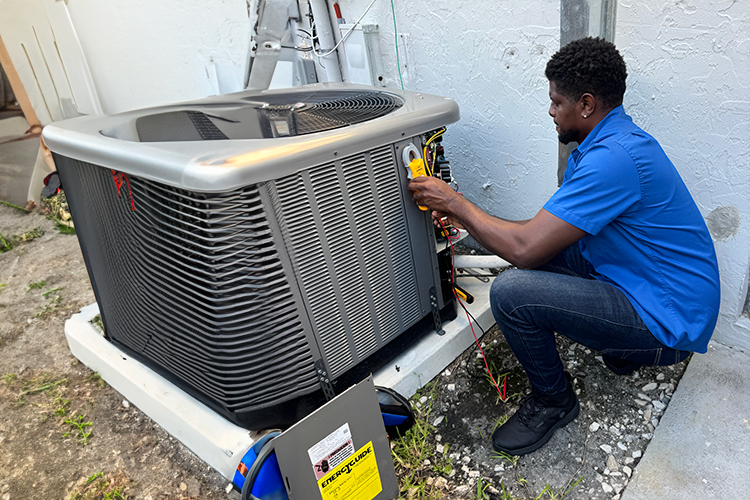
Loose or corroded electrical connections are a leading cause of AC failures — and a safety hazard. During a professional maintenance visit, a technician will check and tighten all electrical connections, inspect the capacitors and contactors, and verify that the system is cycling on and shutting off correctly. Never attempt electrical inspections yourself unless you are a licensed professional.
6. Lubricate Moving Parts
Friction in the blower motor, fan bearings, and other moving components increases wear and reduces efficiency over time. Proper lubrication during annual maintenance keeps these parts moving smoothly and helps prevent the kind of gradual degradation that leads to premature failure.
7. Examine Refrigerant Levels
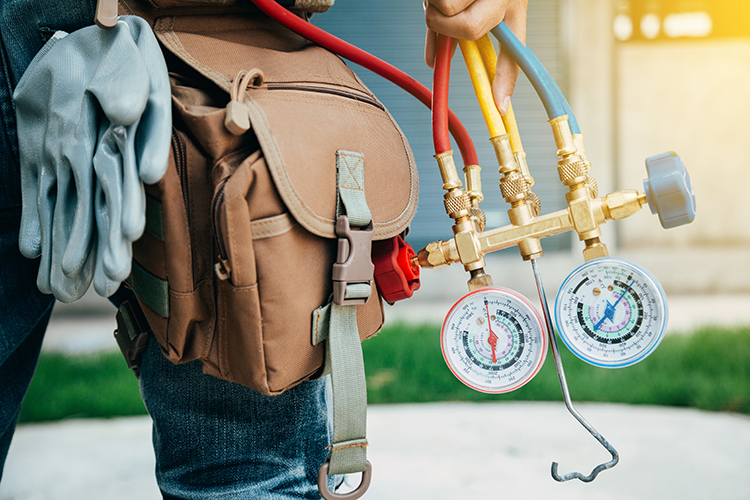
Refrigerant is the substance that makes cooling possible. If your system is low on refrigerant, it won’t cool your home effectively — and in many cases, low refrigerant signals a leak that needs to be addressed by a certified technician. Refrigerant handling is regulated by federal law and must always be performed by a licensed HVAC professional.
8. Clear Debris Around the Outdoor Unit
Your outdoor condenser unit needs at least two feet of clearance on all sides to breathe properly. Overgrown plants, leaves, mulch, and debris restrict airflow through the coils and make your system work harder. Trim back vegetation regularly and hose down the exterior of the unit (with the power off) to remove surface dirt.
9. Check Ductwork for Leaks
According to ENERGY STAR, up to 20 to 30 percent of conditioned air can be lost through leaky ducts. In a Florida home where the AC runs nearly year-round, that wasted air is a consistent and invisible drain on your energy budget. During a professional maintenance visit, your technician should inspect accessible ductwork for gaps, cracks, or disconnected sections.
10. Inspect the Blower Motor and Fan Blades
A dirty or unbalanced blower wheel can reduce your system’s airflow by a significant margin without giving you any obvious warning signs. Your technician should clean the blower assembly and check the fan blades for balance and damage during each annual tune-up.
DIY vs. Professional AC Maintenance: Know the Difference
Some items on your AC maintenance checklist are perfectly manageable for a motivated homeowner — changing filters, clearing debris around the outdoor unit, and checking the thermostat settings. But the majority of what makes a professional tune-up valuable requires specialized tools, technical training, and EPA certification for refrigerant handling.
Here’s a quick breakdown of what falls into each category:
- DIY-friendly tasks: Replacing air filters monthly, keeping the area around the outdoor unit clear, checking thermostat settings and battery, flushing the condensate drain line with a bleach and water solution, and visually inspecting refrigerant lines for frost or visible damage.
- Professional-only tasks: Measuring and recharging refrigerant levels, testing electrical connections and capacitors, deep-cleaning evaporator and condenser coils, lubricating motors and bearings, inspecting ductwork for leaks, and verifying system pressures and temperatures.
How Often Should You Schedule AC Maintenance?
For most Florida homeowners, a professional AC tune-up once a year — ideally in early spring before the heavy cooling season begins — is the minimum recommended frequency. Because South Florida’s cooling season is essentially year-round, many homeowners benefit from scheduling twice-yearly maintenance: once in the spring and once in the fall. The older your system, the more often it should be professionally inspected.
In between professional visits, stay alert to the warning signs that your system needs attention sooner than scheduled. Rising energy bills without a change in usage, uneven cooling throughout the home, unusual sounds or odors, and short-cycling are all red flags worth acting on quickly.
The Real Cost of Skipping Maintenance
Neglecting your AC maintenance checklist doesn’t just mean a less comfortable home — it means a more expensive one. Systems that aren’t maintained regularly consume significantly more electricity, suffer breakdowns more often, and typically fail years ahead of their expected lifespan. The cost of a professional tune-up is a fraction of what an emergency repair or full system replacement will run you.
Think of annual maintenance as an insurance policy for your comfort and your wallet — one that pays dividends every month in the form of lower energy bills and a system that doesn’t quit on you in the middle of a Florida heat wave.
Trust Impressive Air for Expert AC Maintenance in South Florida
When it comes to keeping your air conditioner operating at its best, Impressive Air is the team South Florida homeowners rely on. With deep experience servicing all major AC brands and system types, the professionals at Impressive Air bring a comprehensive, detail-oriented approach to every maintenance visit. Their technicians work through a thorough AC maintenance checklist on every job — inspecting coils, testing electrical components, verifying refrigerant levels, clearing condensate drains, and more — so nothing gets missed and your system is set up for maximum efficiency all season long.
Impressive Air understands that in South Florida, your air conditioner isn’t just about comfort — it’s about protecting your home, your health, and your budget. Whether you’re due for your annual tune-up, noticing signs of declining performance, or simply want peace of mind heading into summer, Impressive Air delivers the expert service your system deserves. Contact them today to schedule your maintenance visit and experience the difference that professional care makes.
—
Frequently Asked Questions
What does a standard AC maintenance visit typically cover?
A professional AC maintenance visit generally includes inspecting and cleaning the evaporator and condenser coils, checking refrigerant levels, testing electrical connections and components, lubricating moving parts, clearing the condensate drain line, replacing or inspecting the air filter, and verifying that the thermostat and system controls are functioning correctly. The goal is to catch small issues before they turn into costly repairs and to ensure the system is running as efficiently as possible.
How often should an air conditioner be professionally serviced?
Most HVAC experts recommend scheduling a professional AC tune-up at least once per year, ideally in the spring before peak cooling season begins. In climates like South Florida — where the air conditioner runs heavily for most of the year — twice-yearly maintenance is often a smart investment. Older systems or units that have had prior issues may also benefit from more frequent inspections.
Can dirty or clogged air filters really affect my energy bills?
Absolutely. A clogged air filter forces your AC system to work significantly harder to pull air through the unit, which directly increases energy consumption. Replacing a dirty filter with a clean one can lower your system’s energy usage by as much as 15 percent. Checking your filter monthly and replacing it every one to three months is one of the simplest and most cost-effective things you can do to control your cooling costs.
What are the warning signs that my AC needs immediate servicing?
Several symptoms indicate your system needs professional attention sooner rather than later. These include warm or weak airflow coming from the vents, unusual sounds like rattling, banging, or squealing, unexplained spikes in your energy bills, visible moisture or water pooling around the indoor unit, inconsistent cooling between rooms, and the system cycling on and off too frequently. Catching these signs early and calling a technician promptly can prevent minor issues from escalating into major — and expensive — repairs.